
Moisture control
Reduce moisture vapor from exposed soil and help manage humidity when paired with proper drainage.
Loading
Loading
Moisture beneath your home can go unnoticed for years while quietly causing structural damage, mold growth, and poor indoor air quality. If your crawl space is vented, unsealed, or sitting on exposed soil, it may be contributing to these issues. Tennessee Valley Spray Foam provides professional crawl space encapsulation services in Lacey's Spring, AL, and surrounding areas to help property owners take control of what's happening beneath their feet.
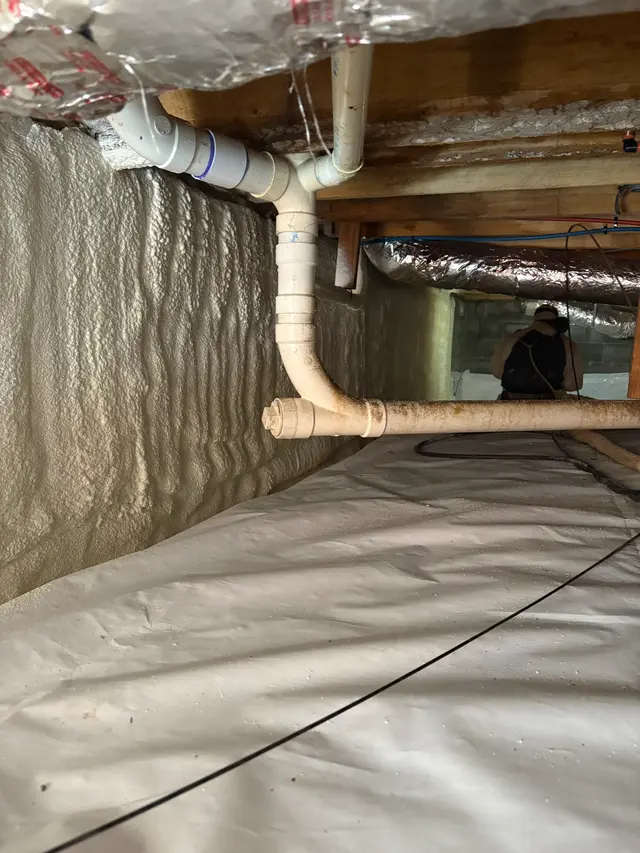
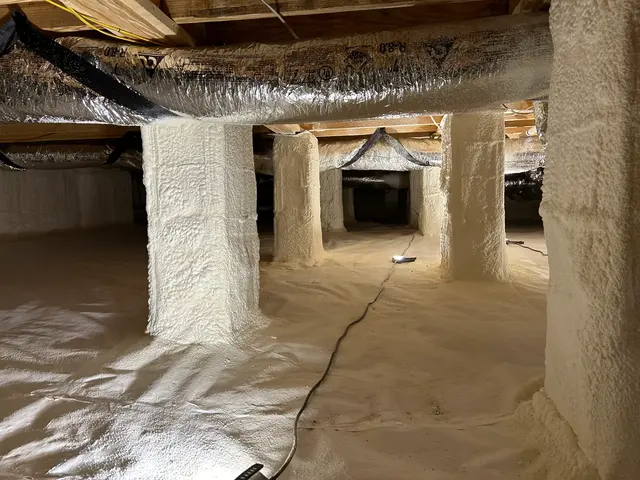
A crawl space sits between the ground and your home's living area, making it vulnerable to soil moisture, humid outdoor air, and water intrusion. If left unaddressed, these conditions can cause wood rot, insulation failure, pest activity, and higher humidity in the rooms above.
The benefits of crawl space encapsulation depend on your home's existing conditions, material selection, and installation quality. Encapsulation works best when paired with proper drainage, ventilation adjustments, and any necessary repairs to existing moisture damage.
Reduce moisture vapor from exposed soil and help manage humidity when paired with proper drainage.
Help reduce moisture-related conditions that may contribute to mold growth and affect indoor air quality.
Help protect wood framing, floor joists, and subfloor materials from sustained moisture exposure.
Sealing accessible openings can reduce potential entry points for insects and rodents, but you may still need separate pest control.
Properly encapsulated crawl spaces let insulation work as intended.
Properly sealed and insulated crawl spaces can help reduce unwanted heat transfer and air leakage.
Get expert crawl space encapsulation from Tennessee Valley Spray Foam, planned around your building and comfort needs.
Selecting the right materials is one of the most important decisions in any encapsulation project. Tennessee Valley Spray Foam uses closed-cell spray foam and heavy-duty polyethylene plastic sheeting, chosen based on your crawl space conditions and project requirements.
| Material | Characteristics | Common Application |
|---|---|---|
| Closed-Cell Spray Foam | Rigid, high-density, water-resistant, high R-value per inch | Crawl space walls, rim joists, irregular surfaces |
| Polyethylene Plastic Sheeting | Flexible, vapor-resistant, covers large floor areas | Crawl space floor, soil coverage |
Closed-cell spray foam adheres directly to crawl space walls and framing, providing both insulation and an air barrier in a single application. Polyethylene sheeting covers exposed soil to help prevent ground moisture vapor from entering the crawl space. Together, these materials help create a sealed, insulated crawl space when paired with proper drainage, air sealing, and humidity-control measures.
We evaluate crawl space depth, moisture sources, drainage conditions, and access limitations before recommending a specific approach. Crawl spaces with active water intrusion require drainage corrections before encapsulation begins.
Our crawl space encapsulation services cover residential and commercial buildings, addressing moisture control, crawl space insulation, and air sealing based on each property's needs.
Install heavy-duty polyethylene sheeting over exposed soil, lapped at seams and secured at walls.
Install suitable insulation or vapor-retarder materials along interior foundation walls while maintaining required termite inspection gaps and moisture-control details.
Spray foam applied directly to seal this common air leakage point and provide thermal resistance.
Sealed appropriately based on the encapsulation strategy and local code requirements.
Insulated and weather-stripped to prevent air exchange when entry is not in use.
Check if a dehumidifier or another humidity-control method is needed to keep moisture levels under control inside the sealed crawl space.
Effective encapsulation also requires evaluating standing water, drainage pathways, HVAC equipment in the crawl space, and any existing pest or mold issues. We identify these concerns during the initial assessment and advise on preparation steps before installation.
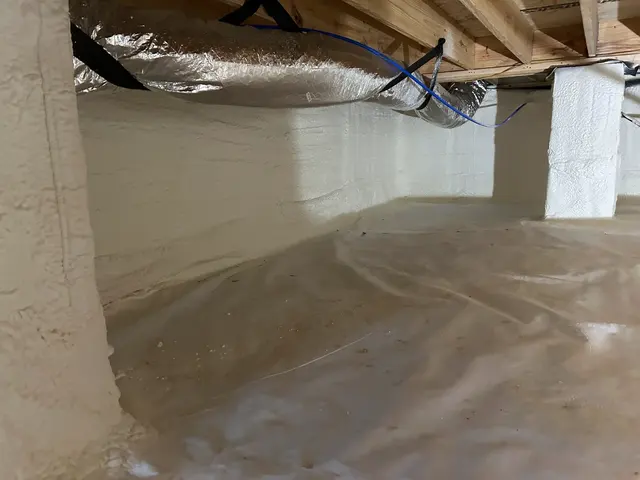
Our installation process focuses on thorough preparation and careful material application to support long-term performance.
We inspect the crawl space for moisture sources, existing damage, standing water, and access conditions.
We identify active water problems that must be corrected before encapsulation can begin.
We clear debris, prepare surfaces, and confirm that necessary moisture or structural repairs have been addressed before installation.
We install polyethylene sheeting with sealed seams and secure it around foundation walls, supports, and penetrations. We apply closed-cell spray foam where appropriate, following manufacturer specifications and required inspection clearances.
We inspect the vapor barrier, foam coverage, and sealed openings, clean the work area, and provide guidance on humidity control and maintenance.
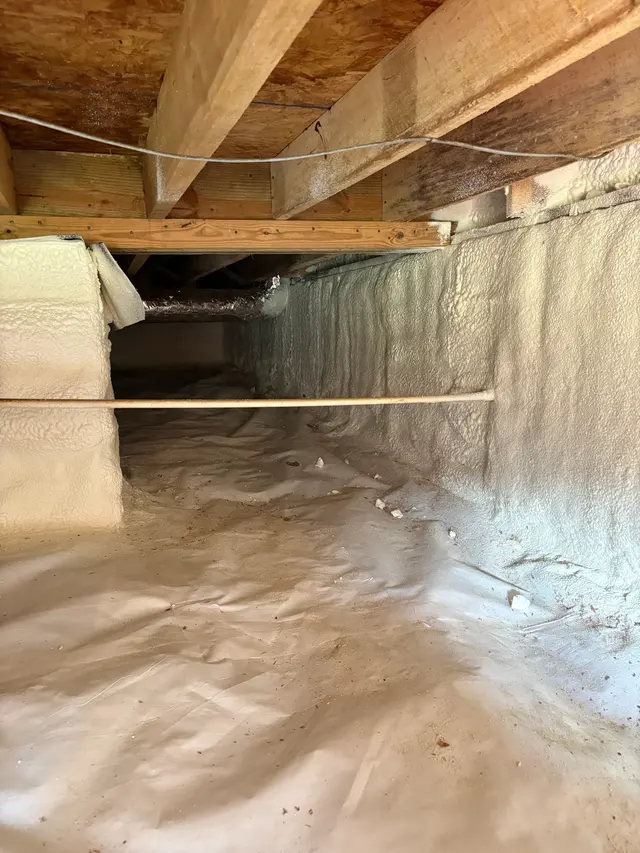
Successful crawl space encapsulation depends on understanding both the materials and the building conditions beneath your home. Tennessee Valley Spray Foam brings materials science and chemical-process expertise to every project, including the polyurethane foams used in encapsulation.
Our team evaluates each crawl space individually, recommends materials based on actual site conditions, and installs encapsulation systems with the attention to detail that long-term performance requires. We do not offer a one-size-fits-all solution because crawl spaces vary significantly in size, moisture exposure, and construction.
Crawl space encapsulation costs depend on the area's size, accessibility, existing moisture conditions, and materials required. Drainage corrections, removal of damaged insulation, and additional humidity-control equipment can also affect the total cost. A property assessment helps determine the appropriate scope of work.
Not every home requires full encapsulation. However, North Alabama's humid conditions can contribute to moisture problems in vented crawl spaces. Homes with exposed soil, persistent dampness, or condensation may benefit from encapsulation after a contractor checks the drainage, ventilation, and overall crawl space conditions.
A properly insulated and sealed crawl space can reduce exposure to cold outdoor air, potentially lowering the risk of frozen pipes. However, protection depends on pipe placement, insulation coverage, temperature conditions, and the crawl space design. You may still need additional pipe insulation.
Some encapsulated crawl spaces may accommodate limited storage if humidity is controlled and the area remains dry and accessible. However, encapsulation does not automatically make a crawl space suitable for household belongings. Check moisture levels, pest activity, available space, and storage requirements before keeping belongings in the crawl space.
A properly installed encapsulation system may appeal to buyers concerned about moisture and property maintenance. However, its effect on resale value depends on the home's overall condition and local market. Installation records and moisture-control documentation can help buyers understand the improvements made.
Request a quote for crawl space encapsulation in Lacey's Spring, AL, and surrounding areas. Contact Tennessee Valley Spray Foam to schedule an appointment.